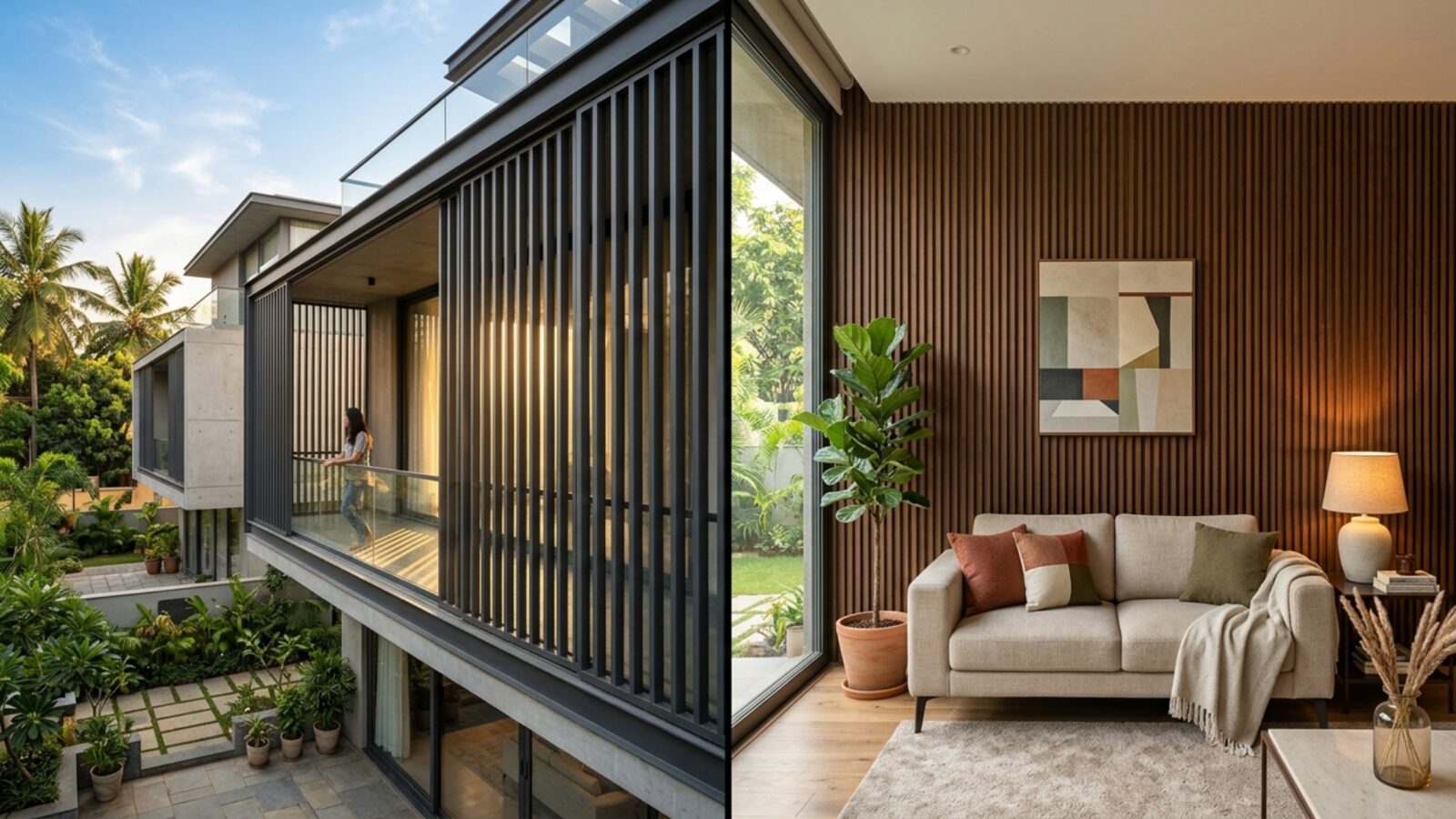
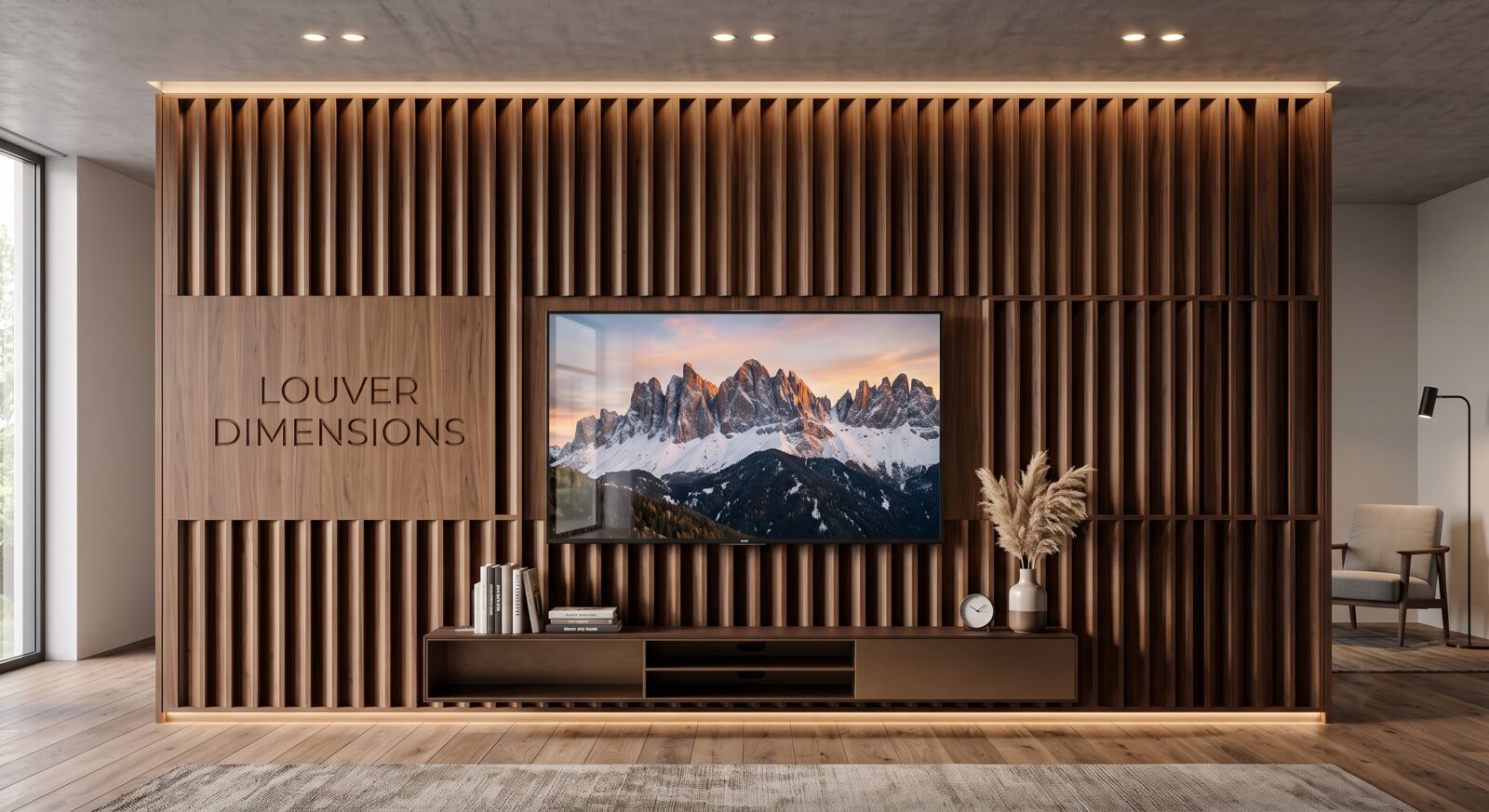
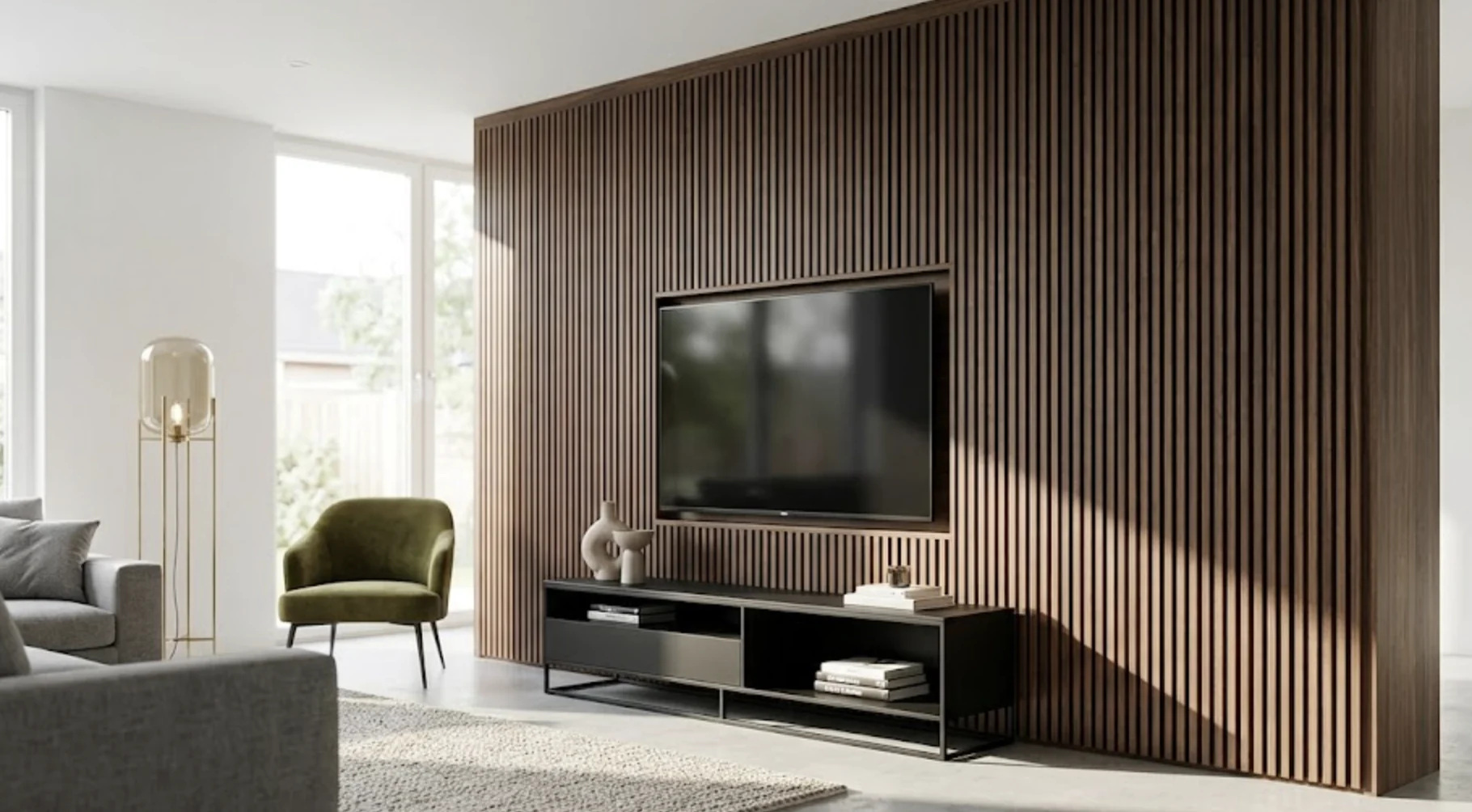
Louvers have moved far beyond their original job of letting air in and keeping rain out. Today they are one of the most popular design elements in modern interiors and building exteriors adding rhythm, texture and a sense of height to an otherwise plain surface.
But with so many options on the market, picking the right one can feel confusing. This guide breaks down the main types of louvers in a simple way — grouped by the material they're made from, the way they operate, and where they're used — so you can choose the perfect fit for your home, office or facade.
Quick answer: The most common types of louvers are WPC, charcoal, PVC, SPC, wooden, aluminium, steel and glass (grouped by material), and fixed, adjustable and combination louvers (grouped by how they work). The right choice depends on whether the louver is for interior or exterior use.
What Are Louvers?
Louvers are a series of evenly spaced slats fixed or angled set into a panel, door, wall or window. The gaps between the slats let light and air pass through, while the slats themselves provide shade, privacy and a strong visual line.
Originally, louvers are designed for ventilation and sun shading. Over time they have grown into decorative design elements used across feature walls, ceilings, partitions and exterior facades. Their clean, linear pattern instantly lifts both interior spaces and building exteriors, which is exactly why architects and interior designers reach for them so often in modern interior design.
The Three Ways Louvers Are Classified
To make sense of all the choices, it helps to group louvers in three ways:
- By material : what they're made of (WPC, charcoal, PVC, metal and more).
- By operation : whether the slats are fixed in place or movable.
- By application : where they're installed: walls, ceilings, doors or facades.
We'll walk through each below, then finish with a comparison table and a simple way to choose.
Types of Louvers by Material
Material decides almost everything, the look, the price, the upkeep, and whether a louver can survive outdoors. Today's louvers come in a wide variety of materials, and they have become one of the most popular wall cladding choices in modern homes and commercial spaces.
1. WPC Louvers (Wood Plastic Composite)
A WPC louver is made from a plastic composite — wood fibre blended with thermoplastic. The result looks like natural wood but behaves far better: it resists moisture, termites and warping, needs very little upkeep, and holds its finish for the long term, even in humid weather. That balance of warmth and durability makes WPC the go to choice for most Indian homes and commercial spaces.
WPC Louvers - Key Features:
- Best for: Living rooms, bedrooms, reception areas, balconies and covered ceilings - almost any indoor or semi outdoor surface.
- Wood like finish available in many shades
- Moisture, termite and warp resistant
- Low maintenance and long lifespan
- Works on both walls and ceilings
2. Charcoal Louvers
Charcoal louvers are prized for their rich, dark, matte finish. They bring depth and a premium feel to a room, which makes them a favourite for TV backdrops, feature walls and accent walls in modern interiors. They're lightweight, easy to install and easy to clean — a quick way to give a living room or office a high end, contemporary look.
Charcoal Louvers — Key Features:
- Best for: Interior feature walls, TV units, headboards and statement walls in homes, showrooms and offices.
- Lightweight and easy to install
- Brings textured depth and high end aesthetic to accent walls
3. PVC Louvers
PVC louvers are made from lightweight, fully waterproof polyvinyl chloride. They're the most budget friendly option, simple to install, and ideal for kitchens, bathrooms and utility areas where moisture is a concern. They come in many colours and finishes to suit different wall designs.
4. SPC Louvers (Stone Plastic Composite)
SPC louvers use a stone plastic composite core, which makes them stronger and more rigid than WPC. They handle moderate temperature changes well and suit premium interior wall cladding where a solid, defined texture is wanted.
5. Wooden Louvers
Nothing quite matches the natural warmth of real wood. Wooden louvers add a classic, organic feel to interiors and traditional exterior designs. The trade off is higher maintenance — wood needs sealing and is more prone to moisture and termites than engineered materials.
6. Aluminium Louvers
Aluminium louvers are light, rust proof and built to survive harsh weather, which makes them a top pick for exterior facades, sun shading and modern commercial buildings. They keep their looks for years with almost no upkeep.
7. Steel & Stainless Steel (SS) Louvers
Steel and SS louvers offer maximum strength and a bold, industrial edge. They're rust resistant, weatherproof and well suited to commercial entrances, high traffic areas and outdoor facades where durability matters most.
8. Glass Louvers
Glass louvers use angled glass slats that let in daylight while still allowing airflow. They're common in bathrooms, stairwells and ventilation openings where you want light and privacy together.
Types of Louvers by Operation
Louvers are also grouped by how their slats behave — fixed, movable, or a mix of both.
Fixed Louvers
Fixed louvers have stationary slats set at a permanent angle. They deliver steady airflow and shade with no moving parts, which means low maintenance and a clean, consistent look. Most decorative wall and ceiling louvers are fixed.
Adjustable (Operable) Louvers
Adjustable — or operable — louvers have movable slats you can open, close or angle. They give you control over light, air and privacy through the day, and are popular for windows, balconies and ventilation openings.
Combination Louvers
Combination louvers blend fixed and adjustable sections in one unit, and often add drainage channels for rain. They're used where a single panel needs to do more than one job — common in larger commercial buildings.
Types of Louvers by Application
Where a louver goes often decides which material and style work best.
Interior Wall Louvers
The most popular use today. Interior louvers turn a flat wall into a textured feature wall or accent wall, lift a living room or bedroom, and bring a refined architectural line to any interior design scheme. WPC and charcoal are the usual choices.
Exterior & Facade Louvers
Exterior louvers offer shade, privacy and ventilation while creating striking exterior designs. Because they face sun, rain and harsh weather, WPC, aluminium and steel are preferred for exterior facades, balconies and garden walls.
Louvered Doors & Partitions
Louvered doors and partitions divide a space while still letting air flow — ideal for wardrobes, utility rooms, pantries and room dividers. They keep ventilation without sacrificing privacy or style.
Ceiling Louvers
Run across a ceiling, louvers add the same rhythm overhead, hide fixtures and unify a room. Using the same panels across walls, ceilings and beams gives a space a cohesive, designed feel.
Louver Material Comparison Table
Here's how the main materials stack up at a glance:
| Material | Best Use | Durability | Maintenance | Look |
|---|---|---|---|---|
| WPC | Indoor & semi outdoor walls / ceilings | High | Low | Warm, wood like |
| Charcoal | Interior feature walls, TV units | High | Low | Dark, premium matte |
| PVC | Wet areas, budget projects | Medium | Low | Many colours |
| SPC | Premium interior cladding | High | Low | Solid, defined |
| Wood | Classic interiors | Medium | High | Natural, organic |
| Aluminium | Exterior facades, shading | Very High | Very Low | Sleek, modern |
| Steel / SS | Commercial & outdoor use | Very High | Low | Industrial, metallic |
| Glass | Light + airflow openings | Medium | Medium | Bright, transparent |
How to Choose the Right Type of Louver
With the options clear, here's a simple, four step way to narrow it down.
1. Start With the Location
Location is the single biggest factor, because it sets the demands the louver has to meet.
Location Considerations:
- Indoor Use: For interiors, looks and comfort lead. WPC, charcoal, SPC and wood all work beautifully on feature walls, ceilings and partitions.
- Outdoor Use: Outdoors, weather resistance comes first. WPC, aluminium and steel handle sun and rain best.
- Coastal & High Rainfall Areas: Near the coast or in heavy monsoon regions, lean towards rust proof metals or drainable combination louvers.
Why drainage matters: Without built in drainage, water can sheet down a facade and leave streaks. Drainable designs channel water away through inner gutters and keep the wall clean over the long term.
2. Match the Material to the Climate
In humid Indian cities, moisture resistant materials like WPC and PVC clearly outperform untreated wood, which can swell or attract termites.
3. Pick a Finish That Suits Your Design
Warm wood tones for cosy, classic rooms; dark charcoal for bold modern interiors; metallic finishes for industrial or commercial spaces.
4. Think About Maintenance & Budget
PVC and WPC are easy on both upkeep and budget; wood needs more care; metal costs more but lasts the longest. Whatever you pick, factor in professional installation for level slats and a clean, stable finish.
Interior vs exterior, in one line: interior louvers are chosen for appearance, warmth and softer sound; exterior louvers are chosen to survive harsh weather while providing shade and ventilation. If a panel will face sun and rain, always pick a weatherproof material.
How to Maintain Louvers for the Long Term
Whatever type you choose, a little routine care keeps them looking new:
- Dust or wipe with a soft, dry or slightly damp cloth.
- Avoid harsh chemicals and abrasive scrubbers.
- Keep interior grade louvers away from constant moisture.
- Check fittings now and then to make sure everything stays stable.
Well maintained louvers hold their finish and structure for many years.
Find the Right Louvers for Your Project
At Louver Studio, we help homeowners, architects and interior designers across India choose the right louver for every project. As an authorized dealer for Century, E3 Clads and Urodecor, we stock genuine WPC and charcoal louvers in a wide variety of materials, shades and finishes — backed by manufacturer warranty.
Browse the full range online or request a free consultation and quote — we supply and deliver genuine louvers across India, whether it's a single feature wall or a full commercial facade.
Contact Us: Call +91 81231 46006 or explore products at louverstudio.com.
Frequently Asked Questions
By material: WPC, charcoal, PVC, SPC, wood, aluminium, steel and glass. By operation: fixed, adjustable and combination louvers. By use: wall, ceiling, door and facade louvers.
WPC, aluminium and steel louvers are best outdoors because they resist UV, rain and harsh weather with minimal maintenance.
Yes. WPC louvers resist moisture, warping and termites, so they perform very well in humid regions such as coastal and monsoon heavy parts of India.
WPC is a wood plastic composite valued for all round durability and a wood like look. Charcoal louvers are prized for a dark, premium matte finish and are used mostly indoors on feature walls.
Small projects are possible, but professional installation is recommended for proper alignment, level slats and a stable, long lasting finish.
Most modern louvers are water resistant. PVC is fully waterproof and WPC is highly moisture resistant. True performance also depends on correct installation.
On feature walls, accent walls, ceilings, partitions, wardrobe doors, balconies and exterior facades — across homes, offices, showrooms and commercial spaces.