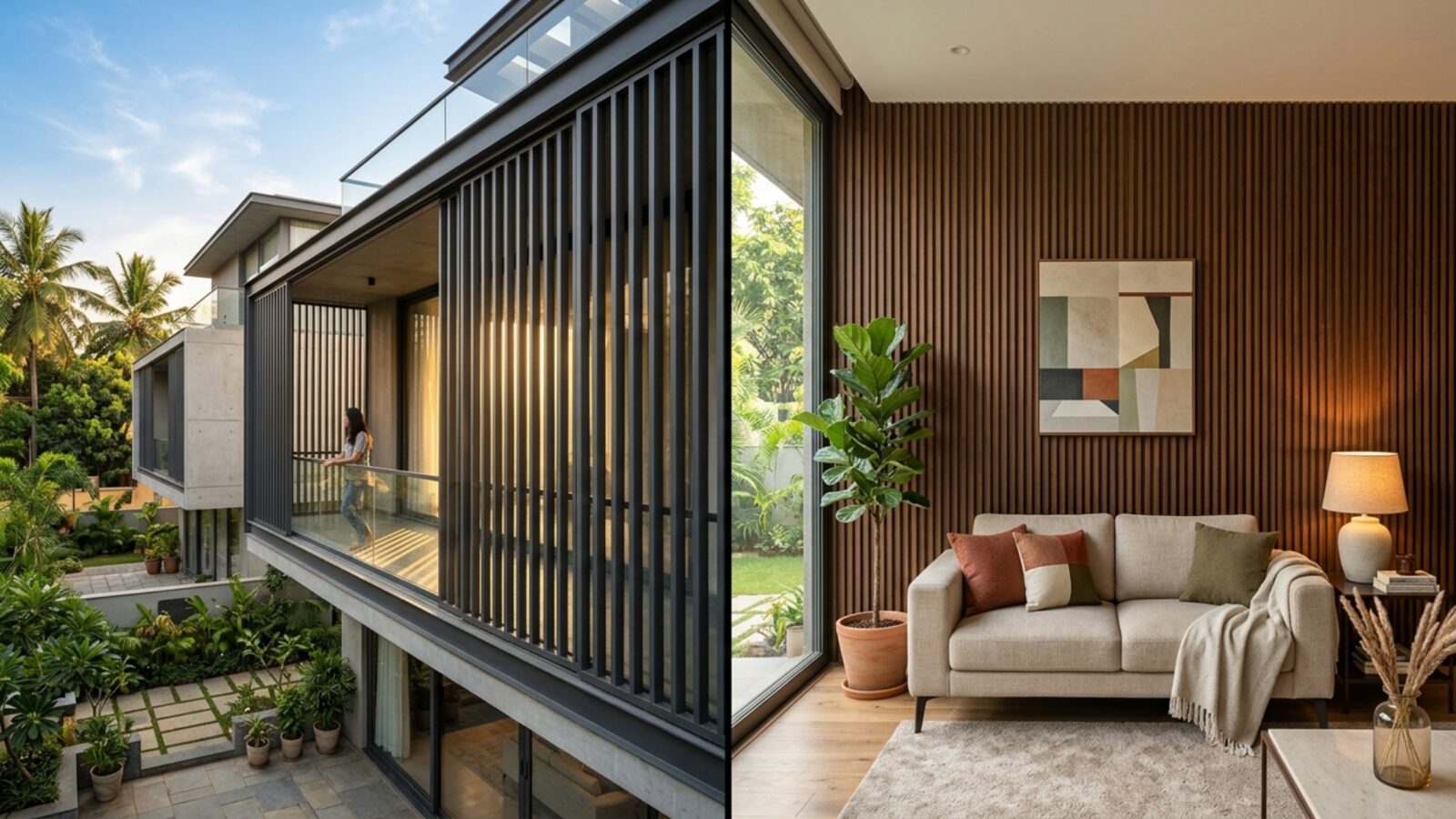
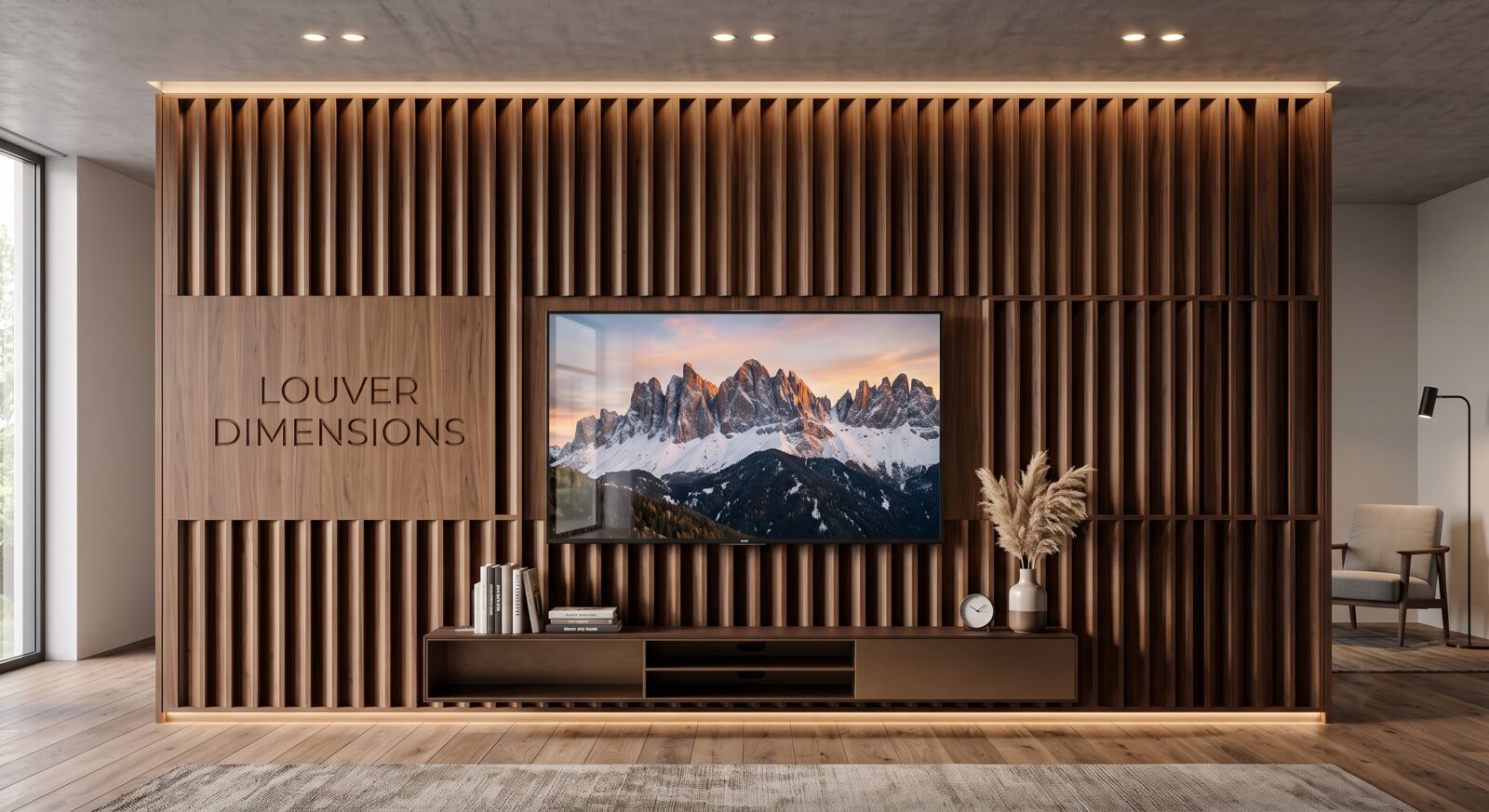
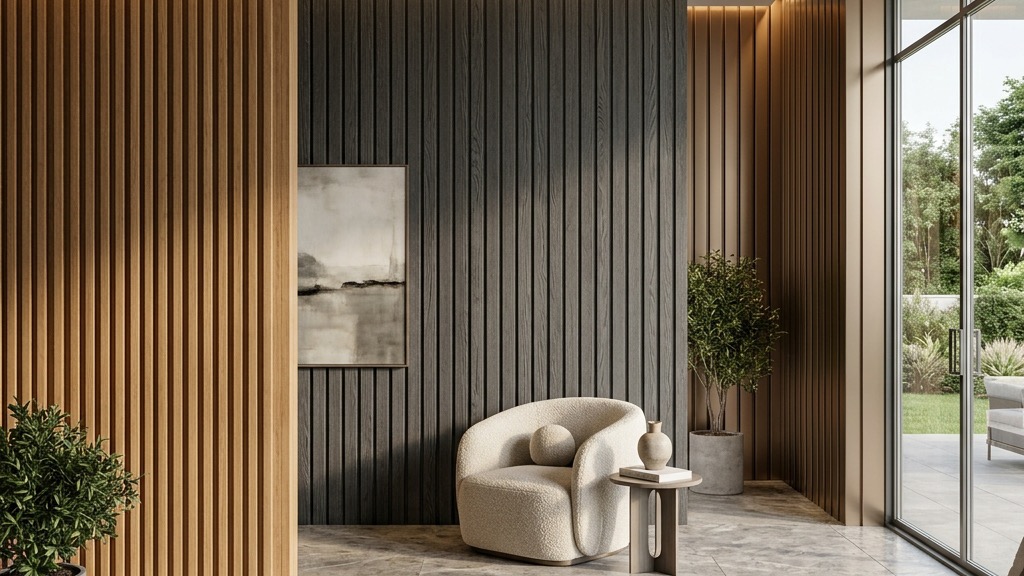
Walk into almost any newly designed home, café or office today and you'll spot them those clean, evenly spaced lines running across a wall, a ceiling or a TV unit. Louvers have quietly become one of the defining features of modern interior design, and for good reason.
What began as a simple way to manage light and air has grown into one of the most versatile design elements available. This guide explains exactly why louvers are a smart choice for modern interiors covering looks, comfort, function and long term value so you can decide whether they belong in your space.
Quick answer: Louvers are a smart choice for modern interiors because they add texture and depth, double as feature walls and dividers, improve acoustics, soften light and airflow, offer privacy, and in materials like WPC and PVC stay low maintenance and durable for years.
What Exactly Are Louvers?
Louvers are a series of slats usually vertical, sometimes horizontal spaced evenly across a panel, wall, door or ceiling. The gaps between the slats let light and air pass through, while the slats themselves create shadow, rhythm and a strong linear pattern.
Originally, louvers were an engineering solution for ventilation and sun shading. Today they're used mostly as a decorative wall cladding and partition material proof that the best design often comes from the meeting point of form and function.
Why Louvers Work So Well in Modern Interiors
Modern interiors favour clean lines, natural textures and surfaces that feel considered rather than busy. Louvers deliver all three. Here are the reasons designers keep reaching for them.
1. They Add Instant Texture and Depth
A flat, painted wall is fine but it's also forgettable. Run louvers across it and the same wall gains shadow, movement and a sense of craftsmanship. The repeating slats catch light differently through the day, turning a plain surface into a feature wall or accent wall that looks intentional.
This is why louvers are so popular behind TV units, beds and reception desks: they create a natural focal point without the clutter of shelves or artwork.
2. They're Remarkably Versatile
Few materials adapt to as many styles, surfaces and budgets as louvers.
Materials at a glance
- WPC (Wood Plastic Composite) : A wood like look with far better durability; moisture and termite resistant.
- PVC : Lightweight, waterproof and budget friendly; great for wet areas.
- Charcoal : A rich, dark, matte finish for bold, contemporary rooms.
- Wood : Natural warmth and grain for classic or rustic interiors.
- Metal/Aluminium : Sleek and industrial, often used where strength matters.
Where they go
- Walls, ceilings, TV units, wardrobe doors, headboards, partitions and even kitchen and bathroom surfaces. The same panel system can tie a whole home together across walls and ceilings.
3. They Make Rooms Quieter
Hard, flat surfaces bounce sound around. Louvers especially acoustic louvers backed with sound absorbing material break up those reflections and cut echo. In a living room, home office or studio, that means less noise and a calmer, more comfortable space. It's a rare design feature whose benefit you can both see and hear.
4. They Soften Light and Improve Airflow
Because louvers are built from spaced slats, they naturally filter harsh light into something gentler and let air move through a space. Used on or near windows and balconies, they manage glare and ventilation while still looking sharp the same form and function balance that made louvers popular in architecture in the first place.
5. They Create Privacy and Zones Without Building Walls
Open plan layouts are great until you need a little separation. A solid wall can make a space feel closed and heavy. A louvered partition does the opposite: it defines a zone a home office nook, a dining area, an entry while still letting light and air (and a glimpse of the room beyond) pass through. That layered, semi transparent privacy is something a plain wall simply can't offer.
6. They Hide What You'd Rather Not See
Uneven plaster, patchy old walls, exposed wiring, an awkward column louvers cover them all behind a crisp, uniform surface. Designers often use them to disguise imperfections or conceal fixtures while adding style at the same time. One material, two jobs.
7. They're Low Maintenance and Built to Last
This is where louvers move from "nice looking" to genuinely smart. Engineered materials like WPC and PVC resist moisture, termites and warping, wipe clean with a damp cloth, and hold their finish for years. For busy households and high traffic commercial spaces alike, that low upkeep is a big part of the appeal.
8. They Add Warmth and a Sense of Calm
There's a reason woodgrain louvers feel so inviting. Their soft, natural lines warm up the cool, minimalist surfaces common in modern homes glass, stone, concrete and bring balance. They add visual interest without visual noise, which is exactly the "considered, not cluttered" look contemporary interiors aim for.
Best Ways to Use Louvers in a Modern Home
If you're convinced louvers are worth it, here's where they shine most.
Feature Walls and TV Units
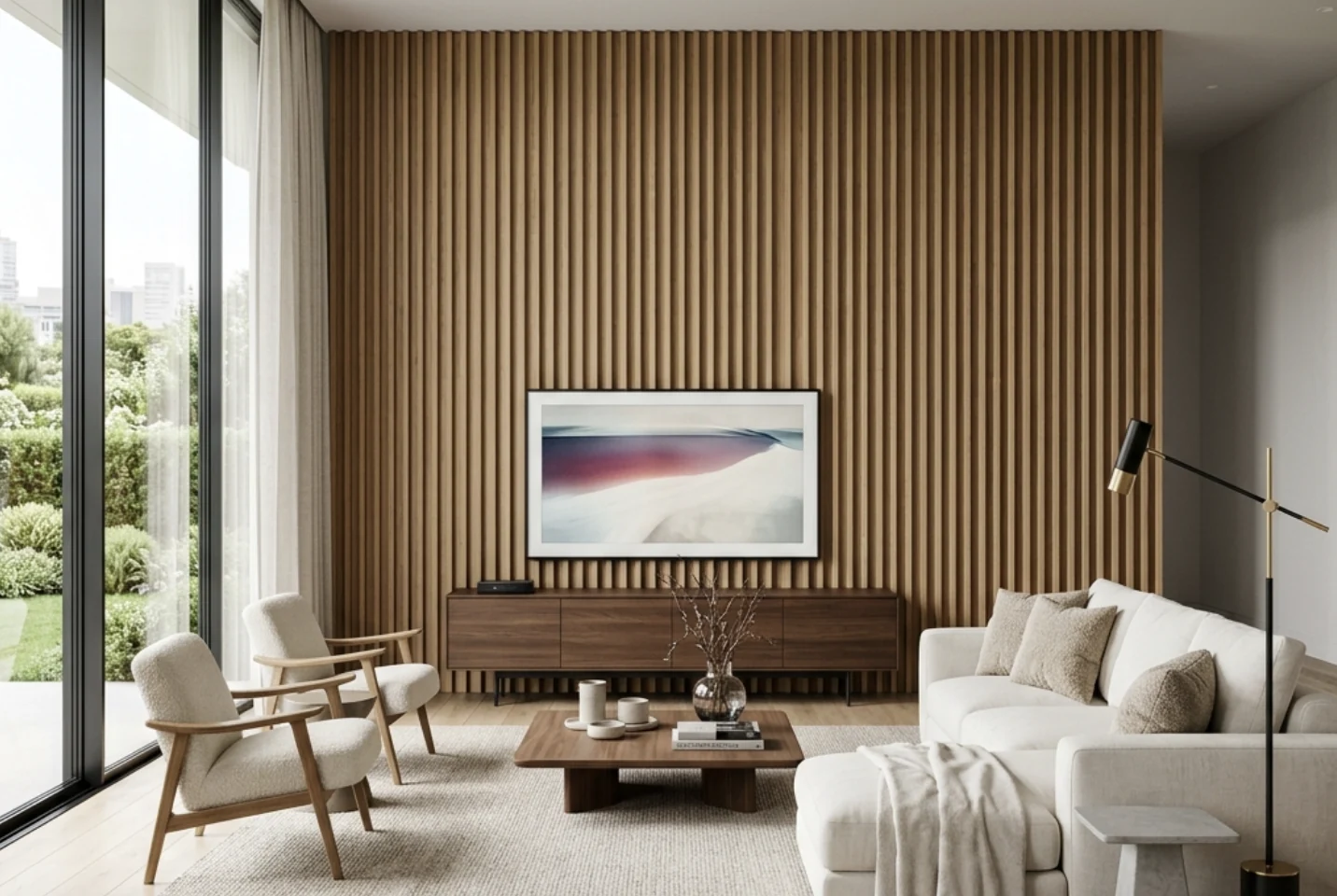
The most popular use by far. A louvered backdrop instantly elevates a living room and gives the TV a designed home rather than a bare wall.
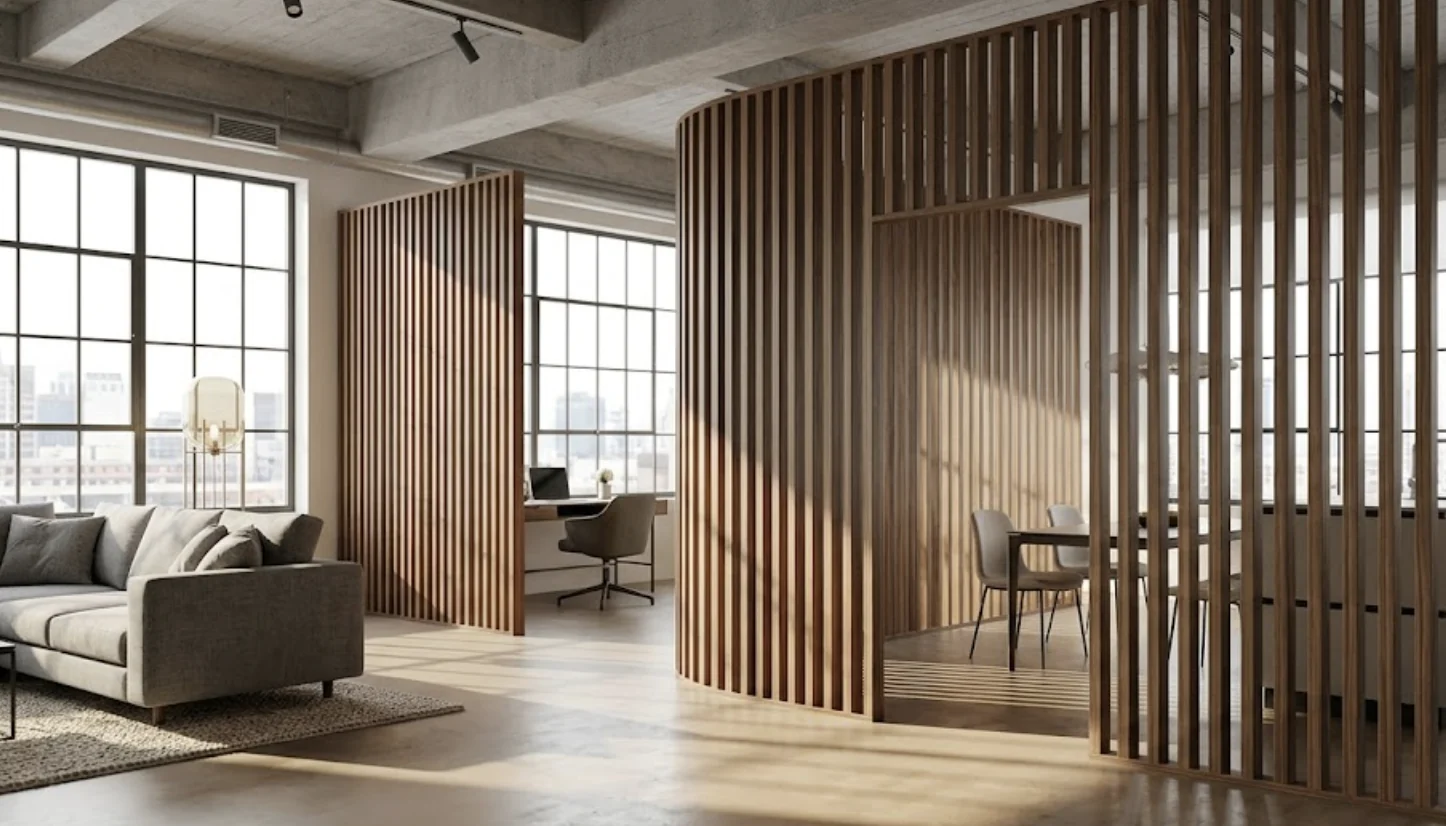
Room Dividers and Partitions
Perfect for open plan apartments and offices that need soft separation between zones.
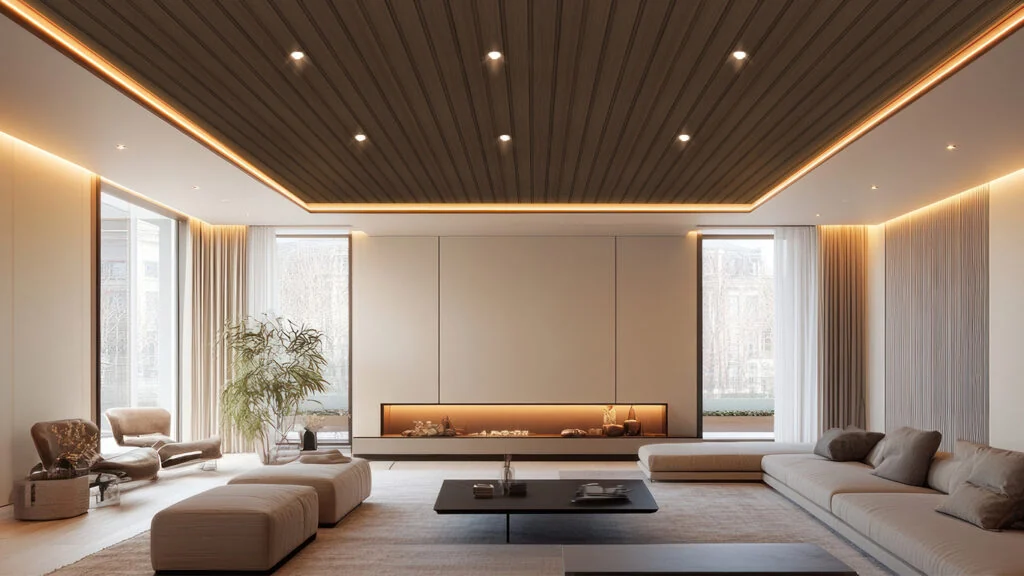
Ceilings
Carry the slats overhead to hide fixtures, add rhythm and make a room feel cohesive from wall to ceiling.
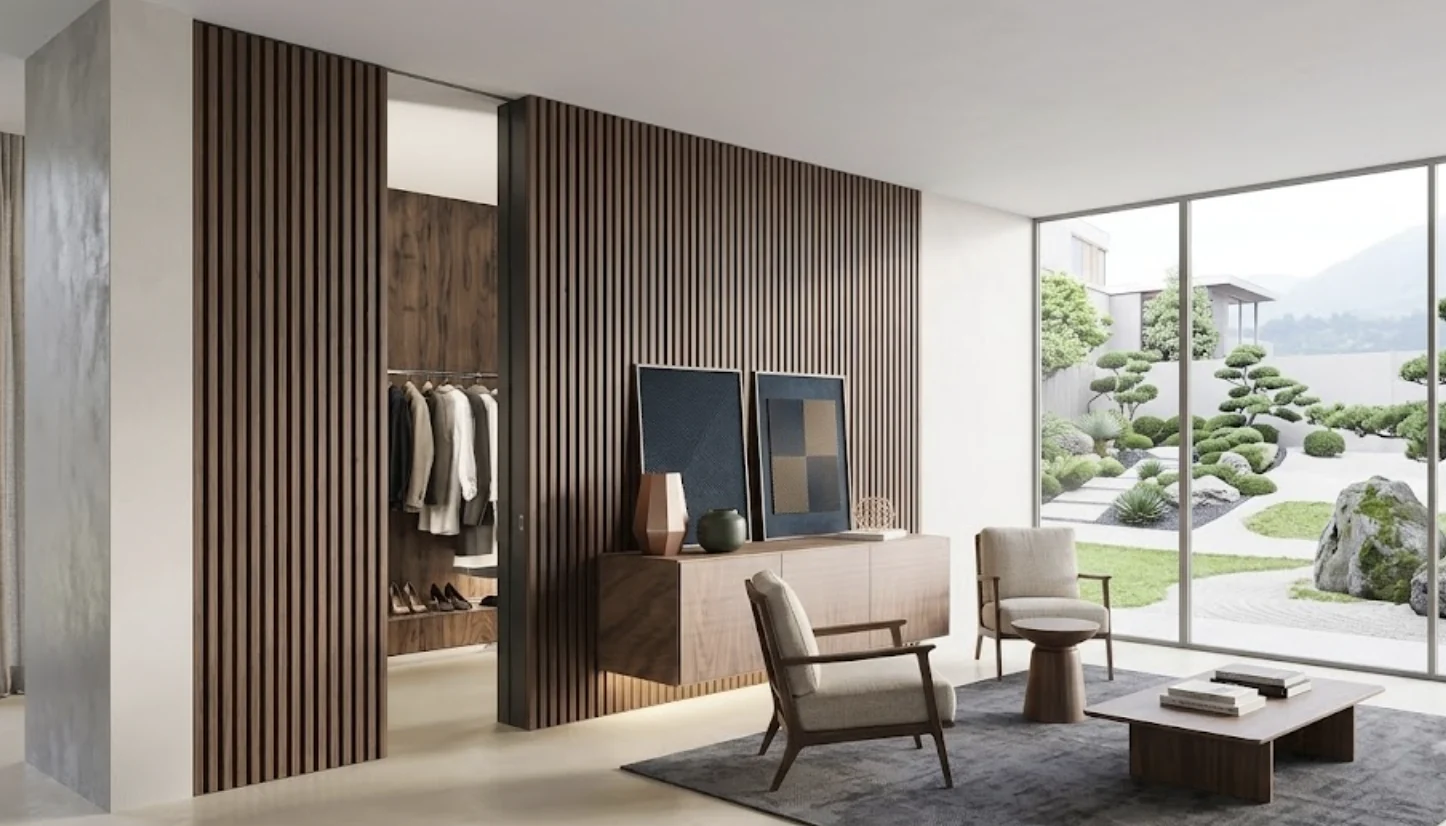
Wardrobes and Doors
Louvered shutters add texture to large, flat wardrobe fronts and keep storage feeling light rather than boxy.
How to Choose the Right Louver for Your Interior
A few simple decisions will point you to the right product.
Match the Material to the Room
Different rooms place different demands on a surface, so let the location guide the material.
Living Areas and Bedrooms
Looks lead here. WPC, charcoal and wooden louvers all work beautifully on feature walls, headboards and ceilings.
Kitchens and Bathrooms
Moisture is the deciding factor in these rooms.
Why Moisture Resistance Matters
Steam, splashes and humidity will warp or stain the wrong material over time. PVC (fully waterproof) and WPC (highly moisture resistant) are the safe, long lasting choices here.
A quick note on installation
Even the best moisture resistant louver performs better when installed correctly sealed edges and level slats keep water out and the finish looking sharp for years.
Pick a Finish That Fits Your Style
Woodgrain for warmth, matte charcoal for drama, lighter tones for an airy, minimalist feel. The finish does as much as the material to set the mood.
Consider Slat Direction
Vertical slats add height and make ceilings feel taller; horizontal slats add width and a relaxed, contemporary line. Choose based on the proportions of your room.
What About Cost and Sustainability?
Louvers span a wide price range, which is part of why they suit almost any project. PVC is the most budget friendly, WPC sits in the middle with the best balance of looks and durability, and solid wood or metal sit at the premium end.
On sustainability, WPC often uses recycled wood fibre and plastic, and its long lifespan means fewer replacements. Because louvers also help filter light and aid ventilation, they can ease reliance on artificial lighting and cooling in well planned spaces a small but real efficiency win over the long term.
Frequently Asked Questions
Yes. Louvers add texture, work as feature walls and dividers, improve acoustics, manage light and privacy, and in WPC or PVC are durable and low maintenance, which makes them one of the most practical design choices for modern homes.
WPC is the most popular all rounder for its wood like look and durability. Charcoal suits bold, contemporary rooms, wood adds natural warmth, and PVC is ideal for wet areas and tighter budgets.
Yes. By breaking up sound reflections, louvers especially acoustic versions reduce echo and make rooms noticeably quieter.
They can, as long as you choose a moisture resistant material like PVC or WPC and install them properly with sealed edges.
Very. WPC and PVC louvers only need an occasional wipe with a soft, damp cloth, and they resist moisture and termites with no special care.
They can help. Vertical slats draw the eye upward and add a sense of height, while a light finish keeps a compact room feeling open and airy.
Bring the Louver Look to Your Space
At Louver Studio, we help homeowners, architects and interior designers across India choose louvers that fit their style, room and budget. As an authorized dealer for Century, E3 Clads and Urodecor, we supply genuine WPC and charcoal louvers in a wide range of materials, shades and finishes backed by manufacturer warranty and delivered across India.
Whether it's a single feature wall or a full interior fit sout, we'll help you get the look and the long term performance you want.
Back to Blog